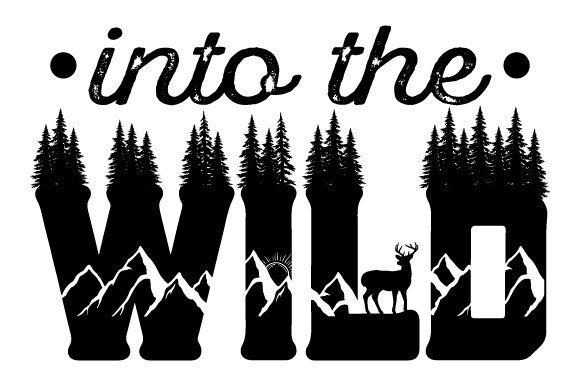
Unlocking the Outdoors: A Designer's Guide to the Camping SVG Design Graphic
There’s a particular challenge in capturing the spirit of the great outdoors in a digital asset. We’ve all seen the generic mountain silhouettes and pine tree outlines. They’re fine, but they rarely convey the authentic, rugged, and slightly worn feel of a real camping experience. That’s where a thoughtfully crafted asset like the Camping SVG Design Graphic makes a significant difference. It’s not just a collection of shapes; it’s a design toolkit built to evoke a specific mood—one of adventure, nostalgia, and natural beauty.
More Than a Graphic: Defining the Visual Personality
At its core, the Camping SVG Design Graphic is a vector-based illustration set. The SVG format is crucial here, as it means the artwork is built from mathematical paths rather than pixels. This allows you to scale a single design from a small icon on a website to a massive banner for a trade show without losing a hint of sharpness. The visual style leans into a hand-drawn, slightly textured aesthetic. You’ll find elements like intricate pine forests, detailed wildlife silhouettes (think bears, deer, and eagles), classic camping gear like tents and campfires, and flowing typography that feels organic and inviting.
The personality of this design graphic is confident and versatile. It avoids being overly childish or cartoonish, instead striking a balance that appeals to adults. The line work has weight and intention, suggesting it was sketched by someone who appreciates the outdoors. This makes it feel trustworthy and authentic—qualities that are invaluable for branding. Whether used as a primary logo element or a supporting pattern, it communicates a clear message of quality, adventure, and a connection to nature.
Strategic Applications: Where This Design Asset Truly Shines
Understanding a design's strengths is key to using it effectively. For the Camping SVG Design Graphic, its utility spans a remarkable range of projects, making it a valuable piece in any creative professional's asset library.
- Brand Identity & Logo Design: This is a natural home for the graphic. A boutique outdoor apparel company, a guided hiking tour service, a campground, or a local brewery with a rustic theme could build an entire brand identity around these elements. The graphic can serve as the core logomark, with its style dictating the choice of a complementary serif font or sans serif font for body copy.
- Packaging Design: Imagine this graphic on a bag of artisanal trail mix, a craft coffee bag, or a candle with a "forest pine" scent. The textured, illustrative style adds perceived value and communicates product personality instantly. It tells a story before the customer even reads the label.
- Editorial & Publishing: For magazines, blogs, or books focused on travel, nature, and outdoor hobbies, these graphics are perfect for chapter headers, pull quotes, section dividers, and full-page background patterns. They add visual interest without overwhelming the editorial design and text.
- Digital Presence & Social Media: In the crowded space of social media, unique graphics stop the scroll. Use elements from the set for Instagram post templates, story highlights, YouTube channel art, or as engaging icons for a travel blog's navigation menu. The vector format ensures they look crisp on any screen resolution.
- Merchandise & Print-on-Demand: The graphic's style is perfect for physical products. Think t-shirts, enamel mugs, stickers, posters, and tote bags. For small business owners and crafters, this is a direct path to creating professional-looking merchandise with a cohesive aesthetic.
Practical Guidance for Integration and Pairing
Simply owning a great design asset is only half the battle. Using it effectively requires some strategic thought. Here’s how to approach integrating the Camping SVG Design Graphic into your workflow.
First, always test for context and scale. Because it’s a detailed, illustrative style, you need to ensure it remains legible. A complex forest scene might get lost when reduced to a 50x50 pixel favicon, but it will be stunning as a hero image on a website. Conversely, a single, simplified tent icon from the set might be perfect for that favicon. Always zoom out and view your design at the actual size it will be used.
Next, master the art of the font pairing. The hand-drawn nature of the graphic begs for typography that complements, not competes with, it. A sturdy, clean sans serif font like Montserrat or Lato can provide excellent contrast and ensure readability for longer text. Alternatively, a classic serif font like Playfair Display or a subtle handwritten font can echo the organic feel. Avoid overly ornate or script fonts for body copy, as they can create visual chaos. Use such script fonts sparingly for logos or short headlines.
Finally, review the package contents. A professional premium font or graphic set often comes with multiple file formats for a reason. The ZIP file mentioned contains SVG, DXF, EPS, and PDF files. The SVG is for web and digital use. The DXF is often used for cutting machines like Cricut or Silhouette, opening up physical crafting possibilities. The EPS is a standard for print design software, and the PDF ensures universal accessibility. Knowing which file to use for which application is a mark of a professional workflow and prevents headaches down the line.
A Final Note on Licensing and Consistency
Before using any commercial font or design asset in a project for a client or for sale, you must verify the licensing. Most reputable sources will provide a clear license that outlines whether the asset is for personal use, commercial use, and any restrictions on print runs or digital products. This step is non-negotiable for maintaining professionalism and avoiding legal issues.
In the end, the true value of a resource like the Camping SVG Design Graphic lies in its ability to help you build a consistent and compelling visual language. By thoughtfully applying its elements across your various touchpoints—from your logo to your social media graphics to your packaging—you create a recognizable and trusted brand identity. It becomes more than just a pretty picture; it becomes a strategic tool for connecting with your audience and telling your unique story of the outdoors.